
Read stories of just some of the survivors that our organization has been able to assist in their journey back to safety and dignity.
Fatima — Finding Her Voice
Name changed to safeguard anonymity
For a long time, Fatima avoided asking for help because she was not comfortable speaking English. Even when she knew something was wrong at home, the thought of explaining such personal experiences in an unfamiliar language felt overwhelming.
When she connected with Saheli, she was able to speak in a language that felt familiar and safe. A DV advocate stayed alongside her as she began understanding her options and making decisions at her own pace. She also received support accessing English-language learning resources, giving her more confidence to navigate everyday life independently.
Over time, something shifted. Fatima was no longer relying on someone else to speak for her. She was beginning to use her own voice.
Sometimes, empowerment begins with simply being heard. Saheli gave Fatima the space and support to find that voice—and the confidence to use it.
Meena — A Safe Place to Begin Again
Name changed to safeguard anonymity
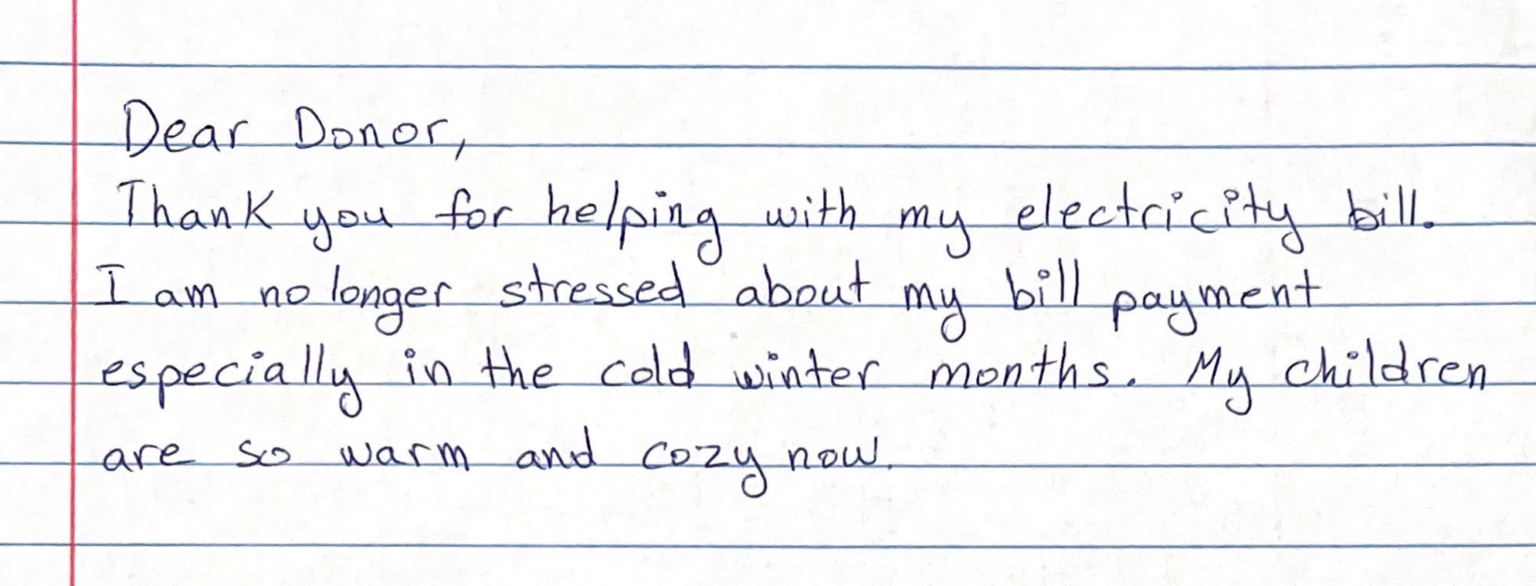
Sana had spent years depending entirely on her spouse financially. She had never managed household finances on her own, and after leaving the abusive relationship, questions about money became frightening: How would she pay for groceries? How would she support her children? Could she ever earn enough on her own?
Her Saheli advocate helped her work through those questions one at a time. Along with emotional support and safety planning, Sana was connected with economic empowerment resources that helped her explore employment, understand finances, and begin thinking about long-term stability. Grocery gift cards helped ease some of the immediate pressure while she worked toward independence.
The first paycheck she earned wasn't just income. For Sana, it represented something she had not felt in years: control over her own future.
With the right support, financial independence became more than a goal—it became a possibility. Saheli helped Sana take those first steps toward building a life that belonged to her.
Miya — Learning to Trust Herself Again
Name changed to safeguard anonymity
By the time Noor reached out to Saheli, she had become used to questioning herself. Years of being blamed and controlled had made her wonder whether her experiences were "bad enough" to ask for help. She had stopped talking to friends and family because she feared judgment.
Her first conversations with her Saheli advocate were not about making huge decisions. They were about being heard.
As trust grew, Noor received advocacy and connections to legal and community resources while remaining in control of what happened next. Her advocate helped her understand her choices without telling her which one she had to make.
Little by little, Noor began trusting something that abuse had taught her to doubt: her own judgment.
Saheli did not make those decisions for Noor. It gave her something just as important—the information, support, and space to make them for herself.
Noor — Learning to Trust Herself Again
Name changed to safeguard anonymity
By the time Noor reached out to Saheli, she had become used to questioning herself. Years of being blamed and controlled had made her wonder whether her experiences were "bad enough" to ask for help. She had stopped talking to friends and family because she feared judgment.
Her first conversations with her Saheli advocate were not about making huge decisions. They were about being heard.
As trust grew, Noor received advocacy and connections to legal and community resources while remaining in control of what happened next. Her advocate helped her understand her choices without telling her which one she had to make.
Little by little, Noor began trusting something that abuse had taught her to doubt: her own judgment.
Saheli did not make those decisions for Noor. It gave her something just as important—the information, support, and space to make them for herself.
Ayesha — Healing Beyond Physical Safety
Name changed to safeguard anonymity
Even after Ayesha was physically safe, her body didn't seem to know it.
She struggled with anxiety, sleepless nights, and memories that could suddenly bring her back to frightening moments from her relationship. She wondered why leaving hadn't immediately made her feel better.
Through Saheli, Ayesha found a space where the emotional impact of trauma was taken seriously. Her advocate helped her connect with mental-health resources while continuing to provide culturally responsive support and a judgment-free place to talk.
Healing did not happen all at once. But gradually, Ayesha began understanding that rebuilding a life after abuse meant more than finding physical safety—it also meant rediscovering a sense of safety within herself.
For Ayesha, healing became possible when she no longer had to navigate the aftermath alone. Saheli was there to help her move from surviving the trauma toward finding her way back to herself.
Diya — When Everyday Help Made a Difference
Name changed to safeguard anonymity
After leaving her abusive partner, Diya found herself doing everything at once: caring for her children, attending appointments, figuring out finances, looking for work, and trying to keep daily life feeling normal for her family.
Sometimes the biggest worry was surprisingly ordinary: How am I going to buy groceries this week?
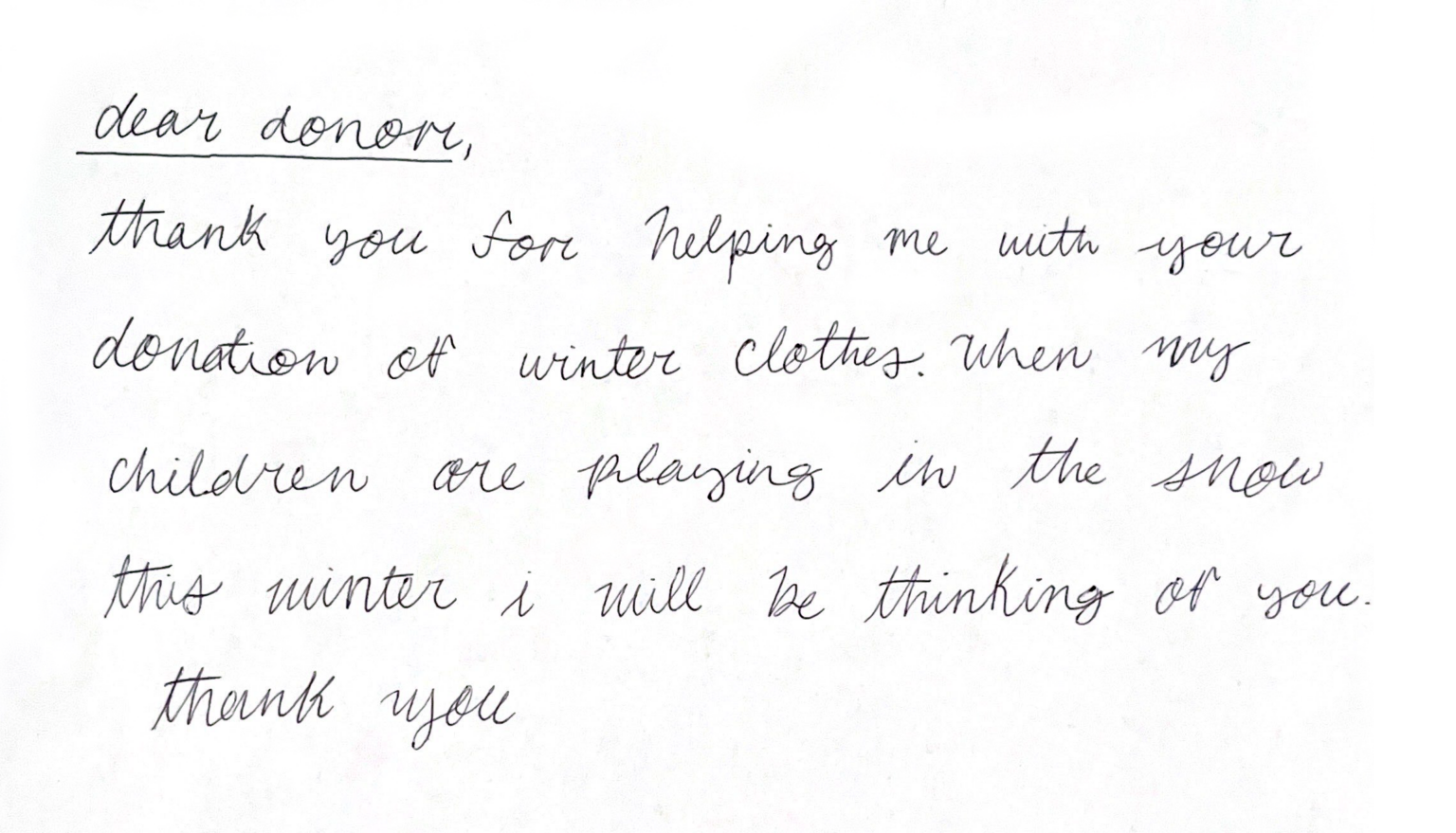
Saheli's support met her in those everyday moments. Grocery gift cards provided immediate relief, while her advocate helped her navigate other resources and think about longer-term financial stability. Parenting support also gave Diya tools to help her children through a period of enormous change.
None of these things alone rebuilt her life. Together, they gave her enough breathing room to start doing it herself.
Sometimes support looks like a big decision. Sometimes it looks like groceries on the table, a resource to turn to, or someone helping you take the next step. For Diya, Saheli was there for all of it.